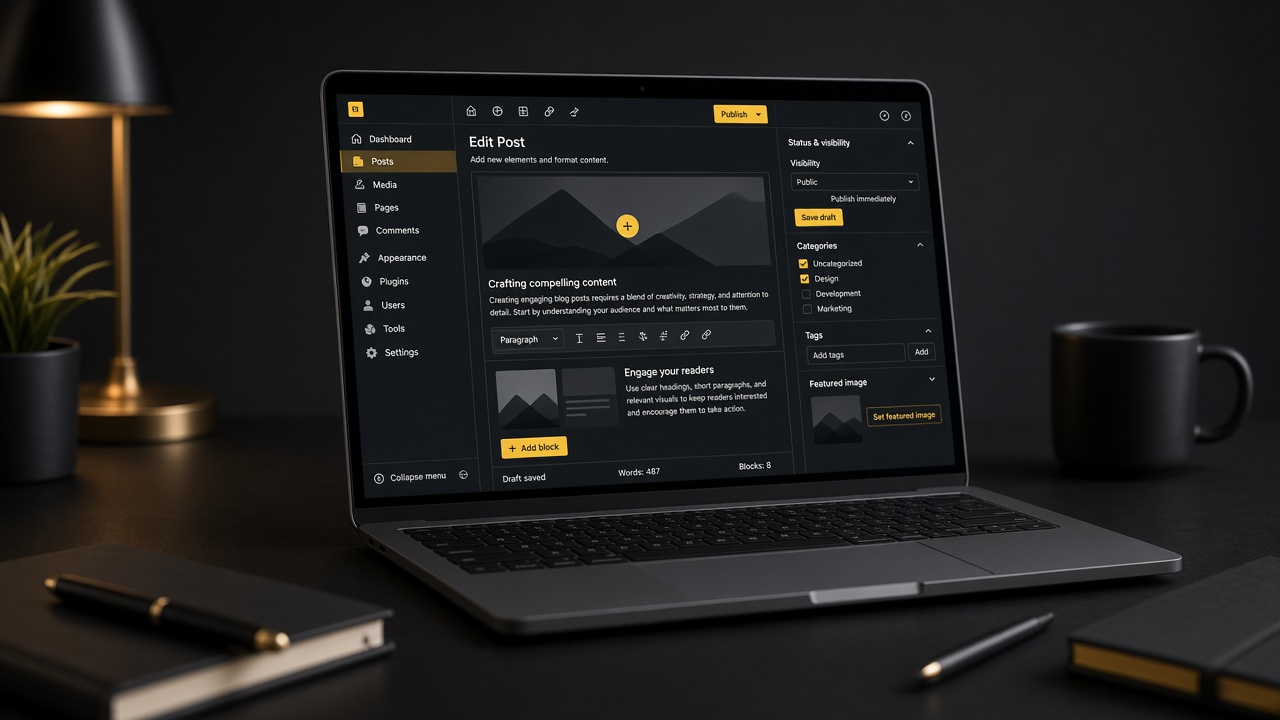

WordPress powers a large share of the public web because editors can publish without a developer ticket for every paragraph. That is still the right reason to choose it. “It is popular” is not.
I build and maintain WordPress sites for schools, travel brands, colleges, and stores. The pattern that works is the same: a clear content model, a theme the team can edit, and a plugin list you can explain.
WordPress is a good fit when
- Marketing or operations staff need to change pages every week
- You need a blog, notices, courses, or a resource library
- WooCommerce can cover the catalogue without becoming a custom ERP
- You already have hosting, a domain, and a person who will own content
Choose something else when
- The product is really a multi-role app (then Laravel or a custom PHP app)
- You want a hosted commerce OS and a small catalogue (Shopify is often faster)
- Nobody will log in after launch — a static site will be cheaper to keep alive
What I refuse to ship
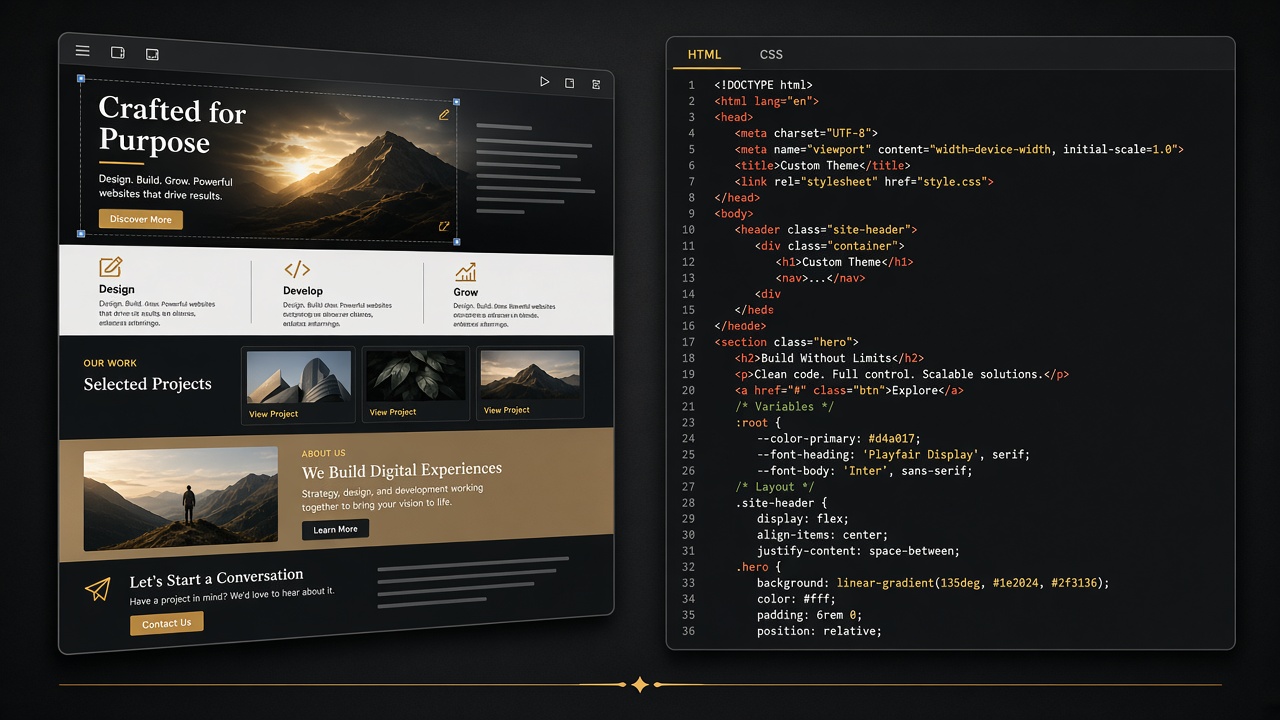
Twenty overlapping plugins, an unlicensed “nulled” theme, and no staging. That stack looks finished in a demo and fails the first time WordPress, WooCommerce, or PHP updates. Custom WordPress development here means the site still works after those updates, with a handover your next developer can read.
If you are hiring in Kolkata or briefing a freelance rebuild, send the current URL and who will edit the site. That is enough to say whether WordPress is still the right tool.